Reviewing Retro Groovy for Real Embroidery Projects
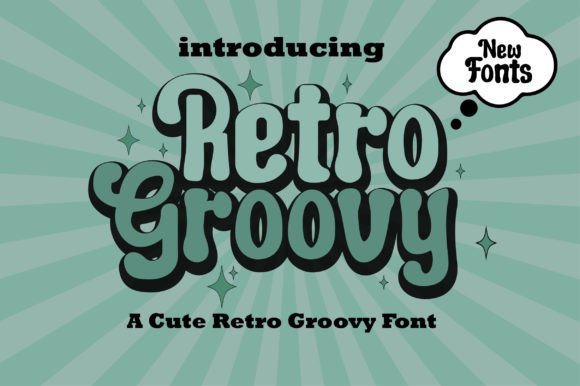
When I first opened the Retro Groovy file, my immediate reaction was a sense of nostalgia mixed with professional curiosity. As someone who spends countless hours evaluating embroidery designs for client work and personal craft projects, I look past the pretty preview image to see how the stitches will actually behave on fabric. This design falls into the Display category, which tells me it is intended to be a focal point rather than a subtle background texture. The visual personality here is bold, confident, and undeniably vintage, making it perfect for anyone looking to add a splash of 70s flair to their handmade goods.
First Impressions and Visual Mood
The layout of Retro Groovy exudes a playful energy that feels right at home in modern boutique branding or creative small business merchandise. Unlike many generic retro designs that rely solely on heavy fill stitches, this piece seems to balance shape and negative space effectively. The curves suggest movement, while the overall composition promises a finished product that stands out on a shelf. For an Etsy seller or a crafter planning a holiday gift collection, this kind of distinct visual appeal is crucial. It doesn't just say "embroidered"; it says "designed with intention."
I imagine this design immediately on a canvas tote bag or a soft cotton sweatshirt. The aesthetic fits perfectly with the current trend of personalized gifts that feel both nostalgic and fresh. Whether you are creating custom apparel for a local band, a boutique clothing line, or unique baby items, the mood of Retro Groovy invites the viewer to stop and take a closer look. It has a specific character that can elevate a simple garment into a statement piece.
Real-World Performance in Custom Apparel and Home Goods
To truly understand the value of this machine embroidery design, we have to put it through the wringer of real-world application. Let's consider a scenario where I am preparing a batch of embroidered patches for a craft fair booth. I need something that holds up well under scrutiny and looks crisp even when stitched on slightly textured materials. Retro Groovy appears to handle this task with grace. The lines are likely defined enough to prevent blurring on fabrics like denim or twill, which are common choices for hats and aprons.
For those of you running a small shop, the versatility of this design is a major selling point. It works beautifully as a tote bag design because the display nature of the artwork draws the eye to the center of the bag. Similarly, placing it on a kitchen towel or a pillow cover can transform a plain household item into a charming, decorative accent. The design's ability to stand alone without needing additional text makes it ideal for products where the visual impact is the primary driver of sales.
I also envision this design being used for holiday embroidery projects. Imagine a set of matching family pajamas featuring Retro Groovy in festive thread colors. The retro vibe adds a layer of fun that traditional holiday motifs sometimes lack. It bridges the gap between seasonal decor and year-round wearable art, giving your customers a product they will actually want to use long after the holidays are over.
Where Caution is Required: Fabric and Hoop Limitations
While the design is promising, every experienced designer knows that context matters immensely. There are specific situations where Retro Groovy might not perform its best, and ignoring these nuances can lead to disappointing results. If you are working with very thin fabrics or highly stretchy knits, the density of the stitches could cause puckering if the stabilizer isn't chosen correctly. Always test the design on scrap fabric before committing to your final project.
Small hoop sizes present another challenge. While the design is visually striking, intricate details or tight corners might get lost if the machine cannot execute them precisely within a confined area. If you plan to use this on a cap or a curved surface, be mindful of the distortion that occurs during stitching. Curved surfaces often require adjustments to the placement or the digitizing itself to ensure the design sits flat and true. Additionally, dark fabrics require careful consideration of thread colors; if the underlay isn't sufficient, the top threads might not pop against the background.
Dense stitch areas are another potential pitfall. On delicate items like baby clothes, excessive density can make the fabric stiff and uncomfortable. In such cases, reviewing the stitch count and potentially simplifying the design might be necessary. For commercial embroidery projects involving frequent washing, ensuring the design is robust enough to withstand wear is vital. If the design relies heavily on fine detail that might snag or fray, it may not be suitable for high-use items like work aprons or children's play clothes.
Impact on Brand Value and Customer Trust
In the world of handmade products, quality is everything. A poorly executed design can undermine years of building customer trust. Retro Groovy, when stitched correctly, signals professionalism. It shows that you care about the finish of your handmade product. Customers are willing to pay a premium for items that look polished and well-crafted. The clarity of the satin stitch and fill stitch combinations in this design contributes directly to that perception of quality.
Furthermore, using a cohesive design language across your product line strengthens your brand identity. If you consistently use designs like Retro Groovy that share a similar retro aesthetic, your shop becomes more recognizable. This consistency helps in marketing efforts, whether you are posting printable mockups online or displaying items at a physical craft fair. Buyers appreciate a curated collection where every item feels like it belongs together.
Practical Notes for Designers and Makers
Before you hit the start button on your machine, there are several technical steps you must take to ensure success. First and foremost, always check the file formats and compatibility with your specific embroidery machine. Since exact specifications were not provided in the initial description, verify the recommended hoop size and stitch density with the creator.
Testing is non-negotiable. Run the design on a scrap of the same fabric you intend to use for the final project. Check the thread color contrast by viewing the design in black and white mockups; sometimes a color combination looks great on screen but fails to provide enough definition once stitched. Ensure you are using the proper stabilizer to support the fabric, especially if you are working with lightweight materials.
If you are planning to sell finished items made with this design, confirm the licensing terms regarding commercial use. Are you allowed to sell the physical products? Can you use the design assets in digital previews? These distinctions are critical for protecting your business. Finally, inspect the small details closely. Sometimes, what looks perfect on a monitor can reveal loose threads or alignment issues when viewed in person. By taking these precautions, you ensure that your embroidery project results in a finished product that reflects the high standards you strive for.
Retro Groovy is more than just a pretty pattern; it is a tool for creative expression and business growth. When approached with the right technical knowledge and attention to detail, it can become a staple in your collection of design assets, helping you create memorable pieces that resonate with your audience.